


- 0nap
- 00óra
- 00perc
- 00mp


What's in the bundle

 Gift
40% savings+ Gift worth 65.500 Ft
-
 REACH
REACH
-
 ROHS
ROHS
-
 CE
CE


Unboxing


 Before
 After
 Before
 After
 Before
 After
 Before
 After


B. S.
05/04/2026
Csak ajánlani tudom minden nőnek! Fiatalít, nyugtat és elmulasztja a pattanásokat is. Egy igazi otthoni professzionális csoda.
Pataki Z.
24/03/2026
Szuper kényelmes használni, és könnyű tisztán tartani. A napi szépségápolási rutinom koronaékszere lett.
beautyzsuzsi
13/03/2026
A narancssárga fény egységesíti a bőrtónust – és ez tényleg így van. A korábbi foltosodásom szépen eltűnt.
Szabó M.
03/03/2026
Megéri türelmesnek lenni! Az első héten csak a puhaságot éreztem, de a 6. héten már a fotókon is látszott, hogy kevesebb a finom vonal az arcomon.
Gál F.
15/02/2026
Prémium minőség, gyönyörű a csomagolása is. A sötét foltok a napkárosodás után a 4. hétre sokat halványodtak.
Alexa
10/02/2026
Egyszerűen imádom szörnyű aknéval küzdök már egy ideje és a red light mask nagyon sokat segített rajta a gyulladások csökkentésében és a hegek eltüntetésében. Már hónapok óta használom így már biztosan merek véleményt írni 100%-ban megéri ár arány értékben is verhetetlen a piacon. 💯
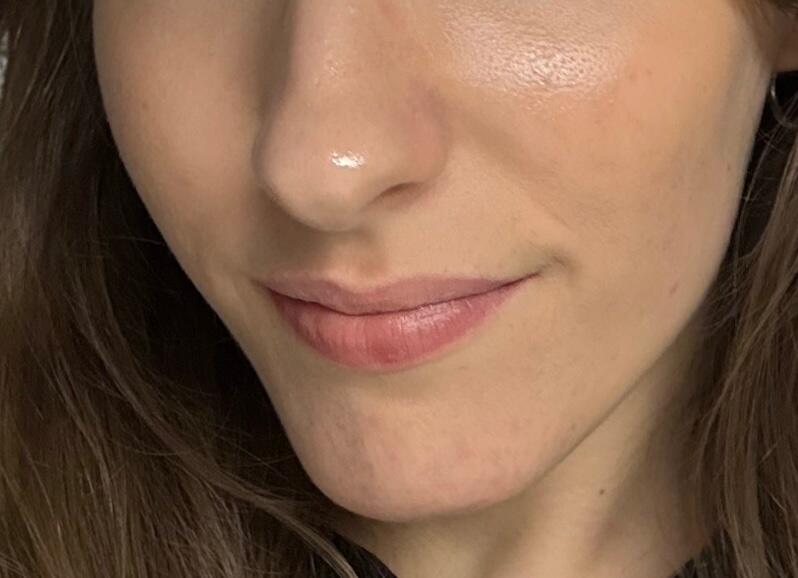
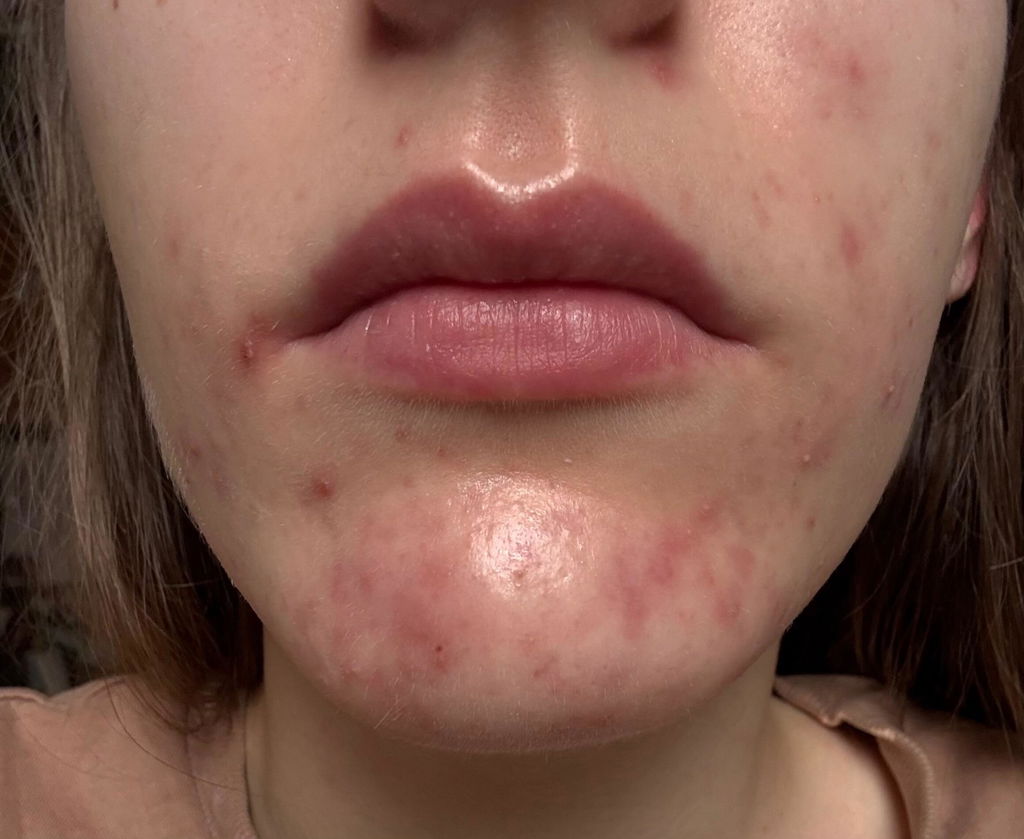
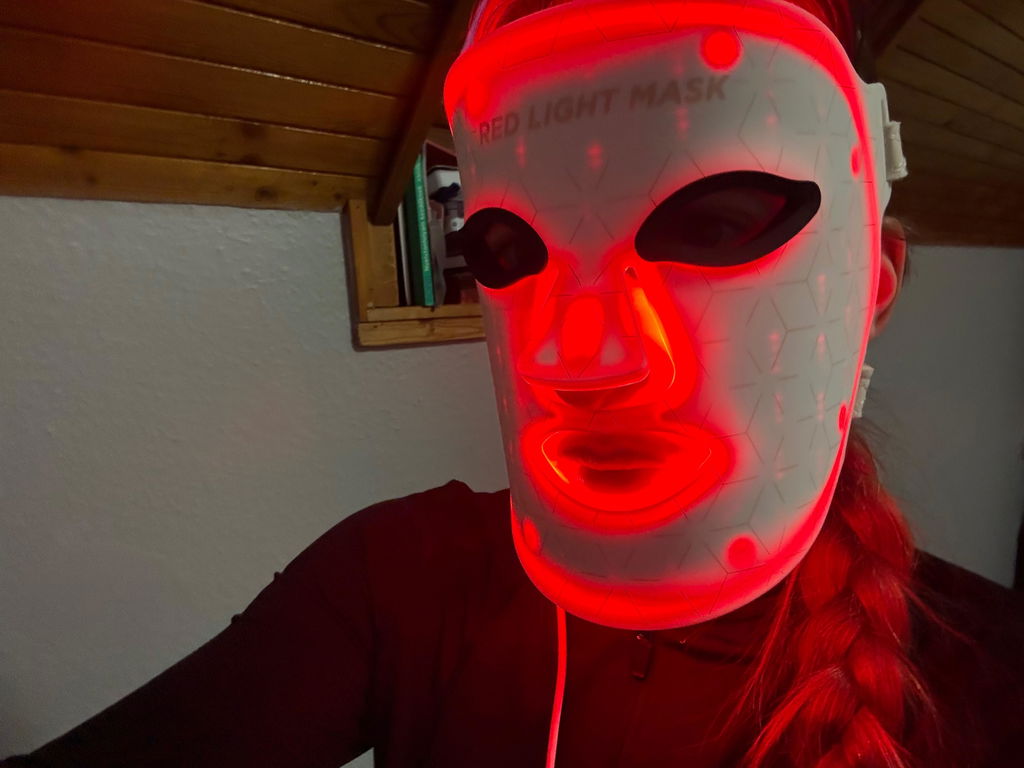
Lillaaa
26/01/2026
A pattanások és gyulladások elleni harcban a legjobb fegyver a kék fény. Hetek óta nem jött ki rajtam új, fájdalmas akné.
Halász99
28/12/2025
Nagyon kényelmes használni, az eredmények szépen lassan, de biztosan jönnek. 4 csillag, mert a távirányítója lehetne kicsit okosabb (pl. appos vezérlés), de amúgy remek a termék.
Névtelen
28/12/2025
Nagyon könnyű használni csak a szemvédőre kellett rájönni, hogy fordítva kell berakni a maszkba, hogy tényleg védje a szemet.(Erre figyeljen mindenki) Fel sem kellett tölteni az adaptert, gyárilag fel volt és azonnal lehetett használni. Könnyen be tudtam állítani a fényeket is.
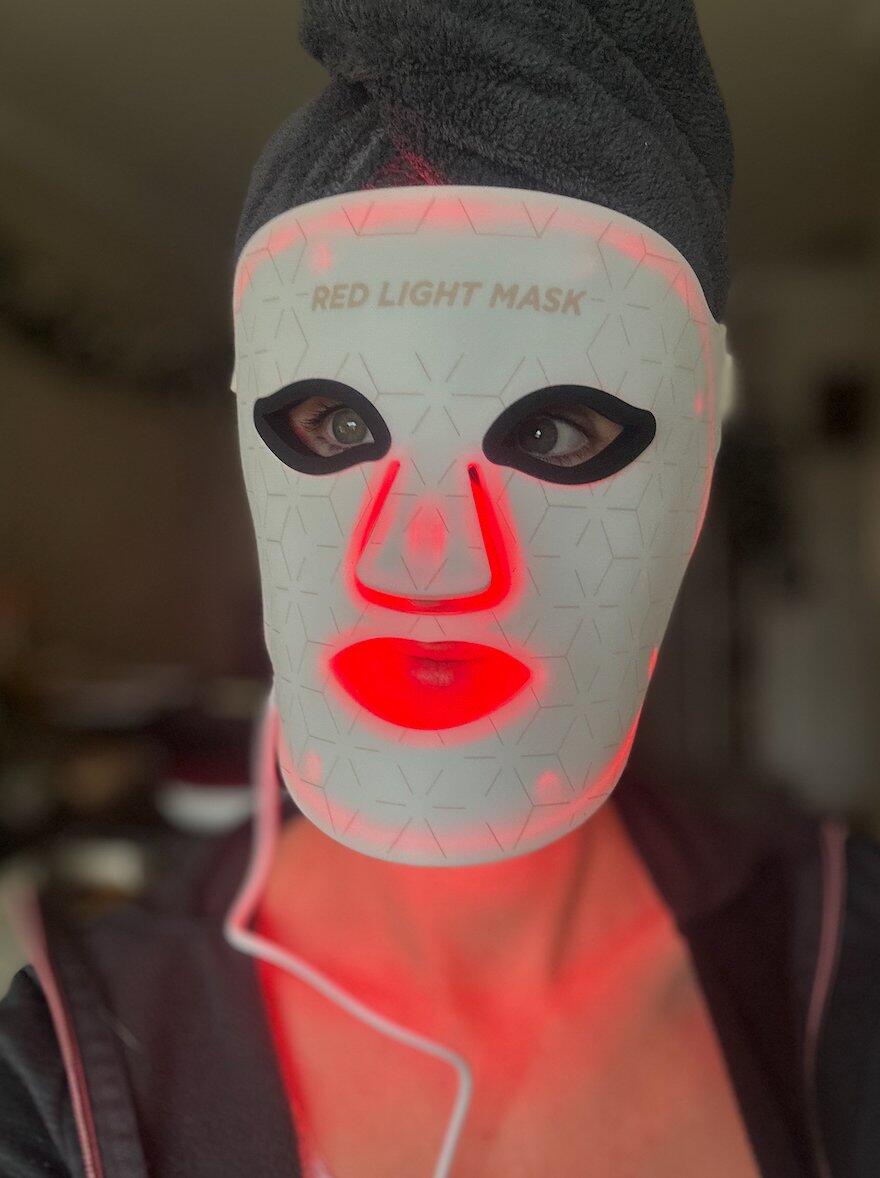
Csilla7
21/12/2025
Tökéletes karácsonyi ajándék volt magamnak. Minden fillért megért! A pattanásokat a kék fény pikk-pakk leszárítja.
Annamari
29/11/2025
A kollégáim nem akarták elhinni, hogy nem voltam semmilyen kezelésen, csak otthon világítom az arcomat. Az eredmények magukért beszélnek.
Sándor Z.
25/11/2025
A rosaceám miatt a bőröm állandóan piros volt. A narancssárga fény nyugtató hatása egyszerűen megmentett, sokat mérséklődött a bőrpír.
Marika
18/11/2025
Az esti arctisztítás után 15 perc maszk. Ez az új fix rutinom. A bőröm egészségesebb, a tónusa pedig sokkal egyenletesebb.
Takacsfanni
14/10/2025
Nagyon profi minőség. A szemem alatti sötét karikákat 3 hét alatt jelentősen halványította. Végre nem nézek ki úgy, mint egy zombi reggelente.
Anita
05/10/2025
A bőrtextúra javulás elképesztő. Sokkal simább és puhább a tapintása, eltűnt az a "száraz, húzódó" érzés az arcomról.
S. P.
24/09/2025
Jó ár-érték arány, gyorsan rutin lett az esti bőrápolásban.
Klaudia
20/09/2025
Imádom, hogy fájdalommentes! Korábban próbáltam tűs mezoterápiát, de borzalmas volt. Ezzel csak fekszem, relaxálok, és a bőröm mégis feszesedik.
Rebeka
08/09/2025
Egységes, foltmentes bőr volt az álmom. A narancssárga és a közeli infravörös fény használatával ez végre megvalósult. Smink nélkül is jól érzem magam.
Vivien
30/08/2025
Az 1. héten csak egy kis puhaságot éreztem, de a 3. héttől kezdve a sötét foltjaim láthatóan elhalványultak. Nagyon hálás vagyok ezért a termékért!
Nagy A.
19/08/2025
Gyors bemelegedés és egyenletes fényeloszlás az arcon.
Meli
17/08/2025
Napi 15 perc megnyugvás. Szépen kisimítja a mimikai ráncokat, és egyszerűen jólesik a fényterápia este, elalvás előtt.
Fanni
09/08/2025
Tinikori hegek és felnőttkori pattanások... ez volt a kombóm. A maszk kék és vörös fényének felváltva használatával 5 hét alatt tisztább lett az arcom, mint az elmúlt 10 évben bármikor.
Bettina
30/07/2025
Nagyon kényelmes otthoni luxus. Csak azért adok négyest, mert eleinte a pántját nehezen tudtam beállítani, hogy pont jó legyen a fejemre, de miután ráéreztem, már imádom.
Alexandra
23/07/2025
A homlokomon lévő mélyebb ráncok persze nem tűntek el teljesen, de sokat finomodtak a 4. hétre. A szemkörnyéki szarkalábakon viszont hatalmas a javulás.
Hegedűs A.
29/06/2025
Nagy befektetés, de sokkal olcsóbb, mint a plasztika vagy a hyaluron töltés. Fájdalommentes, természetes úton hoz fiatalosabb bőrstruktúrát.
Barb_11
30/05/2025
Ragyogóbb a bőröm! Korábban olyan szürke és fakó volt az arcom, most meg smink nélkül is merem vállalni magam.
Kitttyy
24/05/2025
Megváltás az aknés bőrömnek! A kék fény tényleg antibakteriális, a nagy, fájdalmas gyulladások pár nap alatt visszahúzódnak tőle.
Kinga
16/05/2025
Az anti-aging rutinomból ezentúl kihagyhatatlan. Sok drága szérumot vettem már, de ez az egy eszköz felülmúlta mindet.
Andika
07/05/2025
A hatása 5 csillagos, a 3. hét után a sötét karikáim és foltjaim sokat finomodtak. A négy csillagot a kábel hossza miatt adom, lehetne egy picit hosszabb is, hogy kényelmesebben feküdhessek az ágyon a konnektor mellett.
Takács N.
27/04/2025
Napi 15 perc én-idő. Nem kell kenegetni, nem ragad, csak felveszem és világít. A bőröm puhább, mint huszonéves koromban!
Tücsi44
13/04/2025
Nagyon luxus érzetű a csomagolás és maga a maszk is. A narancssárga fény a kedvencem, mert a rozáceás, pirosodásra hajlamos bőrömet csodálatosan megnyugtatja.
Eszter
25/03/2025
Kellemes melegérzet, 10 perc után is látványos eredményeket látsz már.
Regi
25/03/2025
Végre egy termék, ami szép fokozatosan hozza az eredményeket. Egységesebb lett a bőrtónusom, és eltűnt az a fáradt foltosság az arcomról.
Tímea
14/03/2025
Tinédzser lányomnak vettem az aknéira a kék fény miatt, magamnak pedig a ráncaimra a vörös fény miatt használom. Két generációs csodafegyver a fürdőszobában!
Jakab R.
05/03/2025
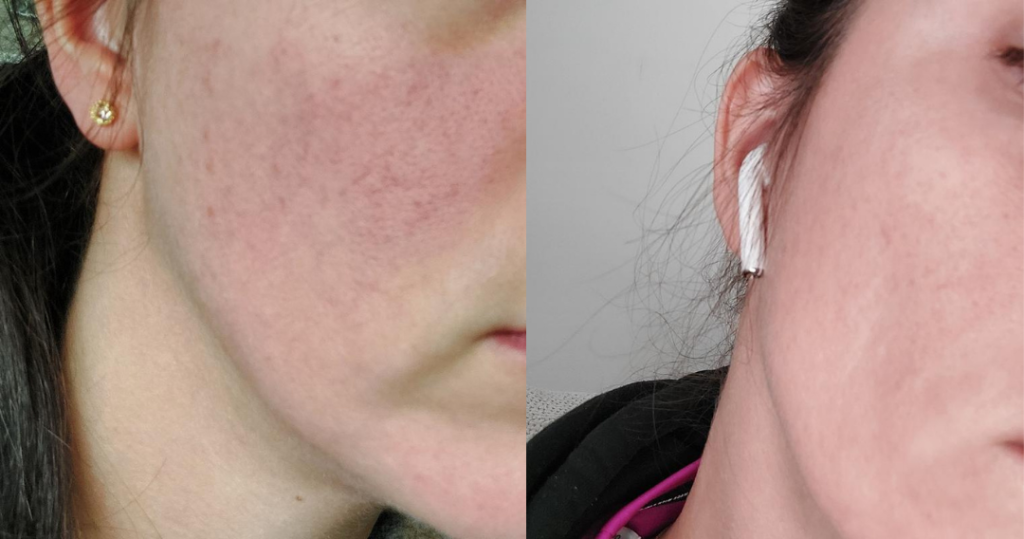
Már egy ideje használom a Movtech Red Light Mask-ot, és imádom. Már az első héttől kezdve puhábbnak, ragyogóbbnak érződött a bőröm, és a bőrpír is csökkent. Könnyű, kényelmes, és otthon, egyszerűen használható – olyan, mint egy spa-kezelés, de elérhető és praktikus formában.
Szabó J.
26/02/2025
Fájdalommentes és kényelmes! Felteszem, elindítok egy podcastot 15 percre, és relaxálok. A pigmentfoltjaim, amikkel évek óta küzdök, a 4. hétre elkezdtek láthatóan halványulni.
Molnár E.
13/02/2025
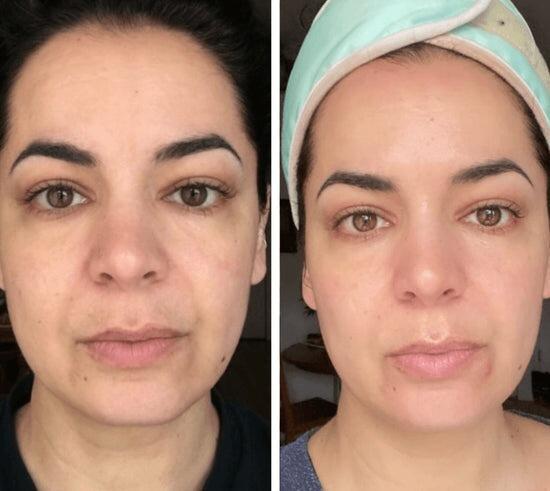
Már körülbelül 5 hete használom a Movtech LED Light Mask-ot, és őszintén lenyűgöznek az eredmények. A fő problémám a fakó bőr és az öregedés első jelei voltak, de heti körülbelül 4 alkalommal, 20 perces rendszeres használat után jelentős javulást tapasztaltam a bőröm textúrájában és ragyogásában. A maszk maga jól megtervezett, kényelmesen illeszkedik az állítható pántokkal, és imádom, hogy a nyakrészt is érinti a fény – ezt a legtöbb fényterápiás maszk nem tudja. Először kissé kényelmetlennek tűnt, de rendkívül kényelmes a használata. Én általában tévézés vagy podcast hallgatás közben használom. A vörös fény nem melegszik fel és egyáltalán nem irritálja a bőrt. Pontosan követtem a használati útmutatót, és utána hidratálót is alkalmaztam, ami szerintem sokat segít a hatás fokozásában. Egy dologra érdemes felkészülni: elég feltűnően néz ki viselés közben, így ne lepődj meg, ha a párod vagy a lakótársad kétszer is rád pillant! 😂 De a végeredmény miatt ez teljesen megéri. Ha szeretnéd felturbózni a bőrápolási rutinodat anélkül, hogy szalonba járnál, nagyon ajánlom – csak légy kitartó a használatban!
Docsy:)
28/01/2025
Ez a maszk egy hónap alatt visszahozza az árát! A narancssárga fénnyel egységesítem a bőrtónusomat, és sokkal egészségesebb a kisugárzásom.
Farkas I.
24/01/2025
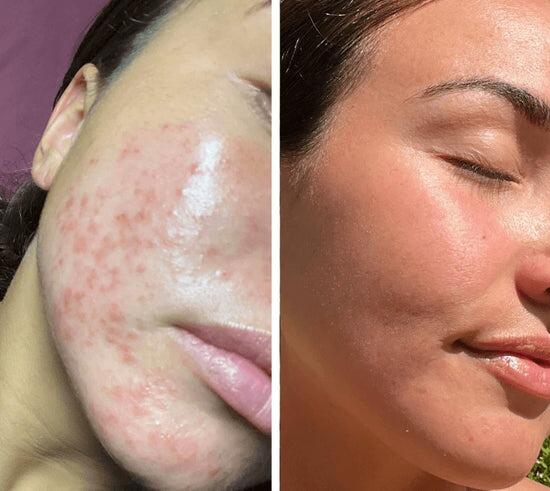
Nagyon tetszett a maszknak a megjelenése és csomagolása – már az első pillanattól prémium minőség érzetet kelt. A maszk könnyű, kényelmesen viselhető. A maszknak köszönhetően végre megszűntek az aknéim, amikkel már hónapok óta küzdöttem. Mindenkinek ajánlom, aki professzionális minőségű eredményeket szeretne elérni az otthoni bőrápolás terén.
Varga K.
20/01/2025
Szuper otthoni anti-aging megoldás. A vörös fény szépen halványítja a mimikai ráncokat. Egy csillagot csak azért vonok le, mert az orr-résznél nekem picit nyomja az arcomat, ha nem fekszem teljesen hanyatt.
Anna357
11/01/2025
Régóta küzdök felnőttkori aknéval. A kék fény funkciót használom rajta a legtöbbet, ami antibakteriális. 4 hét telt el, és a pattanások gyakorisága és gyulladtsága drasztikusan lecsökkent. Végre tisztább a bőröm!
Tóth Z.
05/01/2025
A szemem alatti karikák is halványultak.
Vörös N.
21/12/2024
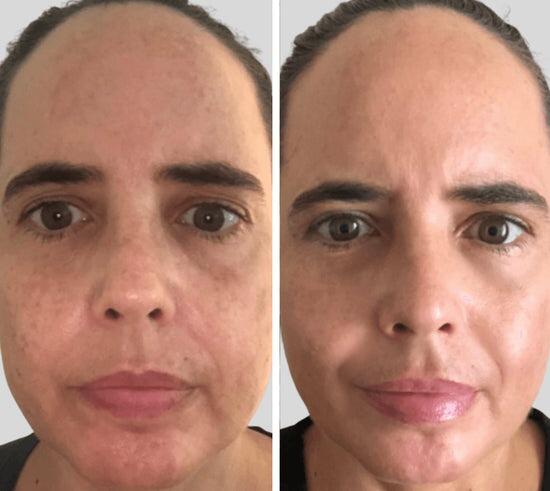
Ez a készülék hatékony és biztonságosan használható. Egyszerű a kezelése, a kinézete és színe is rendben van. Viszont nem ajánlom, hogy gyerekek előtt használd, mert megijesztheti őket.😂 Saját tapasztalat.😅
Kiss N.
09/12/2024
Egyszerű kezelni, mégis profi hatás otthon.
Kovács L.
29/08/2024
Az arctónusom egységesebb lett, pattanások után is szebb a bőröm.


